Table of Contents
- Mississippi Home Selling
- Which Areas in Mississippi Offer the Best Return on Investment and Are Easiest for Residential Property Development?
- What Home Styles, Sizes, and Features Tend to Sell Fastest in the Mississippi Market?
- What Should Home Sellers Know About Zoning Laws, Permits, and Regulatory Requirements in Mississippi?
- Which Towns or Cities in Mississippi Are the Easiest, and Hardest, When It Comes to Navigating Real Estate Regulations?
- What Are the Most Effective Flipping and Resale Strategies for Maximizing Profit in Mississippi's Housing Market?
- How Should Sellers Price Their Homes to Attract Buyers While Maximizing Value in Mississippi?
- Which Key Economic, Social, and Regulatory Factors Are Driving Current Trends in Mississippi's Local Property Markets?
Mississippi Home Selling

The housing market in Mississippi offers homebuyers and investors various opportunities to purchase real estate at lower costs compared to most other states in the U.S. With a median home sale price of $264,200 (as of October 2025), Mississippi falls well below the national median of around $440,000. This price point makes The Magnolia State particularly attractive to homebuyers seeking a more budget-friendly option without sacrificing location or growth potential.
Despite rising inventory over the past several years, Mississippi's housing market is relatively balanced, with roughly 5 months of supply. In terms of demand, homebuyers still remain active across the state, but the number of homes sold above list price declined to just 8.2% in October, one of the lowest levels in the region. Homes in Mississippi also tend to take significantly longer to sell than elsewhere in the U.S., with a median days on market of 91, roughly three weeks longer than the national median.
While more sellers are choosing to list their homes for sale, construction activity in Mississippi is notoriously slow, hampered by rising costs and regulatory challenges. While Mississippi's roughly 3 million residents represent 0.9% of the U.S. population, the state accounted for just 0.5% of the nation's new residential construction permits. Though some outliers like Itawamba County have seen an uptick in new projects, the state continues to struggle with housing gaps, particularly for lower-income renters.
Mississippi's average property tax rate of 0.74% puts it below the national median, making the state one of the more tax-friendly environments for homeowners and developers. This moderate rate, combined with the state's low median home prices, means the typical home had a tax bill of just $1,189.
The slow pace of home sales in Mississippi reflects the state's economic uncertainty, particularly around federal funding and government jobs. According to Moody's Analytics, Mississippi is one of the states that's already in a recession, sparking buyer hesitation. Nevertheless, with some of the most affordable real estate in the nation and plenty of upside potential, Mississippi remains an interesting value proposition for investors who understand the risks and want access to a low-cost-of-entry housing market.
Which Areas in Mississippi Offer the Best Return on Investment and Are Easiest for Residential Property Development?
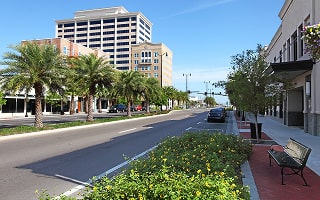
Regardless of the investment strategy or budget, real estate investors can often find investment opportunities to suit their needs in Mississippi. Whether you're seeking long-term appreciation in established towns or high-yield rental returns, The Magnolia State offers a strong mix of affordability, below-average property taxes, and appreciation potential. In addition, its location along the southern corridor, with access to Alabama, Louisiana, and Tennessee, offers cost-effective entry points with proximity to multiple economic centers.
Below are some of the most promising areas in Mississippi offering investors the potential for strong returns and long-term portfolio value.
-
Crystal Springs: The city has enjoyed property appreciation rates of more than 27% in recent years. Its stability and affordability offer buyers a mix of homes and land, making it ideal for both new and seasoned investors.
-
Oxford: Home to the University of Mississippi, Oxford has a strong rental market driven by students and faculty. Its cultural vibe and low foreclosure rates generally make it a safe and profitable place to invest.
-
Starkville: With Mississippi State University at its core, Starkville has a steady stream of renters and a vibrant local economy.
-
Gulfport: This coastal city benefits from tourism, a Naval Construction Battalion Center, and port activity. It's ideal for both long-term rentals and vacation properties, with infrastructure upgrades boosting its appeal.
-
Biloxi: Biloxi's diverse economy, home to casino resorts, aerospace and defense companies, and healthcare employers, underpins its stable housing market. The city's resilience and growth make it a solid option for long-term property appreciation.
-
Ridgeland: Located just north of Jackson, Ridgeland has a high renter population and good schools. As a suburban area with stable growth and affordable entry points, it remains an attractive target for both short- and long-term investments.
-
Pontotoc: A small but fast-growing city, Pontotoc offers low property prices and a promising local economy. It's a good option for investors looking for early-stage growth and solid cash flow.
-
Mount Olive: Ranked as one of the top towns for investment in Mississippi, Mount Olive has very low median home values (roughly $124,000 as of October 2025) and plenty of land available. This location may be suitable for investors looking to build or hold property for future appreciation.
-
Horn Lake: Located near Memphis, Horn Lake benefits from cross-border demand and strong transport links. The city continues to see rising interest in both residential and commercial properties.
-
Hernando: Known for its family-friendly vibe, good schools, and growing retail scene, Hernando is often considered a safe and welcoming place to invest. For many investors, it's ideal for rentals and long-term residential development.
What Home Styles, Sizes, and Features Tend to Sell Fastest in the Mississippi Market?
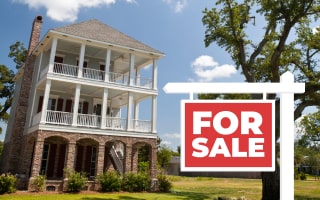
Homes in Mississippi typically sell more slowly than the national median. The median days on market for homes in The Magnolia State is around 91 days, several weeks longer than the national rate. However, homes located in places like Ocean Springs, Clinton, and Brandon may sell faster due to higher local demand. In many locations in Mississippi, buyers look for homes with unique selling points, which help these listings stand out and sell faster.
Throughout Mississippi's local real estate markets, homes with the following features typically sell the fastest:
-
![]() Bedrooms: Homes with 3-4 bedrooms and at least 2 bathrooms tend to attract the most attention in Mississippi as they appeal to growing families, first-time buyers, and rental investors. In college towns like Oxford or coastal cities like Gulfport, 2-bedroom homes are also popular because they're more affordable and work well as vacation rentals. Investors looking to purchase homes with 4 or more bedrooms should consider suburban areas like Madison or Olive Branch, especially if the home has modern touches.
Bedrooms: Homes with 3-4 bedrooms and at least 2 bathrooms tend to attract the most attention in Mississippi as they appeal to growing families, first-time buyers, and rental investors. In college towns like Oxford or coastal cities like Gulfport, 2-bedroom homes are also popular because they're more affordable and work well as vacation rentals. Investors looking to purchase homes with 4 or more bedrooms should consider suburban areas like Madison or Olive Branch, especially if the home has modern touches.
-
![]() Size and Lot: In terms of home and lot size, the most popular homes are mid-sized, usually ranging from about 1,500-2,500 square feet. In places like Brandon or Pass Christian, larger lots with 0.25-0.5 acres are a major draw for buyers who want privacy or space for outdoor activities. In addition, features like fenced-in yards, patios, and gardens help homes sell faster, especially if they're useful for entertaining or outdoor activities. These homes are big enough to feel spacious, but not so large that they demand excessive maintenance.
Size and Lot: In terms of home and lot size, the most popular homes are mid-sized, usually ranging from about 1,500-2,500 square feet. In places like Brandon or Pass Christian, larger lots with 0.25-0.5 acres are a major draw for buyers who want privacy or space for outdoor activities. In addition, features like fenced-in yards, patios, and gardens help homes sell faster, especially if they're useful for entertaining or outdoor activities. These homes are big enough to feel spacious, but not so large that they demand excessive maintenance.
-
![]() Style: Craftsman-style homes with cozy porches and wood details are popular in towns like Clinton and Oxford. Ranch-style homes are also a favorite, offering single-level living and manageable maintenance, and helping them sell quickly in places like Southaven and Pearl. In cities like Madison and Gulfport, buyers are drawn to contemporary homes with open layouts and lots of natural light, while in areas like Brandon and Long Beach, the modern farmhouse look remains one of the top choices among buyers.
Style: Craftsman-style homes with cozy porches and wood details are popular in towns like Clinton and Oxford. Ranch-style homes are also a favorite, offering single-level living and manageable maintenance, and helping them sell quickly in places like Southaven and Pearl. In cities like Madison and Gulfport, buyers are drawn to contemporary homes with open layouts and lots of natural light, while in areas like Brandon and Long Beach, the modern farmhouse look remains one of the top choices among buyers.
-
![]() Modern Upgrades: Modern upgrades often make a significant difference in how fast a home sells, with many buyers in Mississippi seeking energy-efficient upgrades that can help lower utility costs, like new windows and insulation. Smart home features like automated thermostats and security systems are also becoming a more common expectation among buyers, while updated kitchens and bathrooms (granite or quartz countertops, stainless steel appliances, and walk-in showers) remain major selling points. Outside, covered patios, fire pits, and pools are especially attractive in warmer areas like Biloxi and Ocean Springs.
Modern Upgrades: Modern upgrades often make a significant difference in how fast a home sells, with many buyers in Mississippi seeking energy-efficient upgrades that can help lower utility costs, like new windows and insulation. Smart home features like automated thermostats and security systems are also becoming a more common expectation among buyers, while updated kitchens and bathrooms (granite or quartz countertops, stainless steel appliances, and walk-in showers) remain major selling points. Outside, covered patios, fire pits, and pools are especially attractive in warmer areas like Biloxi and Ocean Springs.


What Should Home Sellers Know About Zoning Laws, Permits, and Regulatory Requirements in Mississippi?

When selling or developing a property in Mississippi, understanding local zoning rules, permit requirements, and regulatory expectations is vital. This is because these requirements and regulations can heavily influence your potential return on investment. In addition, obtaining a zoning compliance letter is recommended to help verify compliance with local codes and land-use requirements. While many buyers request a zoning compliance letter before closing on a property, sellers can help instill confidence in potential buyers by requesting this letter early on in the sales process.
The information below shows various Mississippi jurisdictions and their specific regulatory characteristics, organized by areas with strict, less strict, and special zoning or permit requirements:
-
Areas with strict zoning laws: Some jurisdictions in Mississippi have strict zoning enforcement, including Rankin, Lamar, and Quitman Counties. These areas follow detailed zoning ordinances that regulate property use, density, structure height, and required setbacks. For example, in Rankin County, any change to land use typically requires a formal hearing and public notification. In Lamar County, approvals must be obtained for site plans, and detailed documentation is required to move forward with most development work. Similarly, Quitman County enforces stringent rules, with defined zoning districts and public review processes for major use changes.
-
Jurisdictions with less bureaucratic zoning laws: Many rural areas and smaller towns in Mississippi have less bureaucratic zoning laws. Although they're still regulated under Title 17 of the Mississippi Code, enforcement and red tape are typically lighter, which offers more flexibility for sellers and builders.
-
Areas requiring a special permit via a public hearing and approval from the zoning board: In jurisdictions like DeSoto County, Rankin County, and Lamar County, certain types of development or use changes require a special permit, which can only be granted after a public hearing. These include conditional use requests, variances, or changes to zoning classifications. Hence, developers and sellers must prepare for board approvals and community input before moving forward with such plans.
-
Areas where a Certificate of Occupancy is mandatory before legal occupation: For new builds or when changing a building's use, a Certificate of Occupancy (CO) is often required before anyone can legally occupy the space. This requirement is strictly enforced in cities, such as Vicksburg, where inspections from the fire department and other departments are needed before legal occupation. Starkville follows a similar protocol, with the city building department conducting a full inspection before granting the CO. In Biloxi, the CO is commonly tied to new business applications and is required as part of the site plan approval.
-
Places where historic commission approval is required: Cities like Hattiesburg have a Historic Conservation Commission that reviews any proposed exterior renovations. A Certificate of Appropriateness (COA) must be obtained before changes can begin, and property owners are often required to meet with the commission in advance to streamline the process. Similarly, Oxford requires a strict review of materials and appearance to maintain historic charm. In Natchez, the Preservation Commission governs all visible changes in historic zones; similar historic rules apply in parts of Ripley, Raymond, Brandon, Greenville, and Columbus, where the goal is to protect architectural and cultural integrity.
Which Towns or Cities in Mississippi Are the Easiest, and Hardest, When It Comes to Navigating Real Estate Regulations?

Real estate regulations in The Magnolia State vary significantly across its cities, towns, and counties. For developers and investors, it's important to understand the difference in these laws and the specific regulations that apply in the areas where they plan to invest. Complying with local real estate regulations is crucial for investors, helping maximize property values and return on investment, while reducing the risk of failed or delayed closings.
The breakdown below shows the varying regulatory climates in Mississippi, including which areas are more or less development friendly.
Development-Friendly Areas
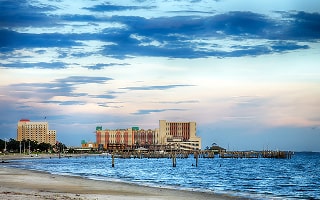
In Mississippi, certain jurisdictions embrace pro-development policies, streamlining permitting procedures and zoning regulations, and maintaining accommodating oversight by local authorities. These areas include the following:
- Gulfport: As the second-largest city in Mississippi, Gulfport offers a diversified economy with a military base, active port, and a recent boom in tourism. The city's zoning ordinances provide comprehensive regulations that support development while maintaining community standards.
- Biloxi: Biloxi's economy is bolstered by its tourism and gaming industries, leading to a favorable environment for real estate investment. The city's zoning laws facilitate various types of development, helping contribute to its continued growth.
- Madison: Located just 15 miles from the state capital, Madison is known for its affluent community and quality schools. The city's development-friendly policies and zoning regulations make it an attractive location for residential projects.
Moderately Regulated Areas

In these jurisdictions, zoning ordinances are enforced with transparency and regulatory requirements are clearly defined. Overall, they encourage continued development with a balanced approach that combines clarity, flexibility, and oversight. Examples include:
- Clinton: Clinton's zoning ordinances aim to protect residential areas while accommodating necessary development. The city's approach ensures that new projects align with community objectives.
- Flowood: As a growing suburb of Jackson, Flowood has implemented zoning regulations that support development while preserving the character of existing neighborhoods. The city's planning efforts focus on sustainable growth.
- Tupelo: Tupelo's zoning laws are designed to promote orderly development, balancing economic growth with the preservation of community values. The city's regulations support a variety of land uses.
Highly Restrictive or Bureaucratic Areas

In these jurisdictions, multiple overlay districts and pronounced community opposition (particularly to multifamily housing) shape the regulatory landscape. These places typically have complex land-use policies. Mississippi municipalities known for their restrictive policies include the following:
- Jackson: As the state capital, Jackson has intricate zoning laws and development procedures that can be challenging for developers. The city's regulatory environment requires careful navigation to ensure compliance.
- Oxford: Known for its historic preservation efforts, Oxford enforces strict zoning regulations to maintain the city's character. Developers must adhere to detailed guidelines to undertake projects.
- Hattiesburg: Hattiesburg's zoning ordinances are designed to control development closely, with a focus on preserving the city's aesthetic and historical integrity. This can result in a more bureaucratic development process.
Regulatory Climate Factors

Local regulatory climates play a significant role in how easy or difficult it is to develop or purchase a property in Mississippi. It's important to know that since the climate varies from one municipality to another, knowledge of the prevailing conditions and regulations in that local market is critical to success.
The table below shows varying real estate regulatory factors in the state, their impact on development, and the places where they're most prevalent in Mississippi:
Factor |
Impact on Development |
Where It's Found |
|---|---|---|
Zoning Flexibility |
Determines ease of land use |
Gulfport, Biloxi, and Madison |
Historic Preservation Laws |
Adds restrictions |
Oxford, Natchez, and Vicksburg |
Wetlands/Conservation |
Limits buildable land |
Coastal areas (such as Hancock County and Harrison County) and the Delta Region |
Inclusionary Zoning |
Requires affordable units |
Jackson, Southaven, and Biloxi |
Building Code Enforcement |
Affects cost/speed |
Jackson, Gulfport, and Tupelo |
Local Politics/NIMBYism* |
Blocks or delays projects |
Oxford, Madison, and Ridgeland |
*NIMBYism - Not in My Backyard
What Are the Most Effective Flipping and Resale Strategies for Maximizing Profit in Mississippi's Housing Market?

Investors may be able to clear solid profits from property flipping if they opt for the appropriate strategies. With low median home prices and plenty of demand, Mississippi is a fertile ground for numerous flipping strategies. However, these strategies must be chosen carefully, accounting for both the goals of the seller and the strengths and specific conditions of each local market.
Some of the most effective flipping and resale strategies for maximizing profit in Mississippi's local real estate markets include the following:
-
![]()
Target Distressed or Foreclosed Homes: Buying pre-foreclosure listings, bank-owned properties, or auction bargains is one of the most effective ways to generate a profit in the Mississippi real estate market. These distressed buys allow room for renovation costs and strong resale prices. For instance, in Jackson alone, there are typically hundreds of homes in foreclosure, owned by banks, or sold at auction, giving seasoned flippers the chance to acquire assets far below market value and renovate for potentially substantial gains.
-
![]()
Use the 70% Rule: With this rule, the maximum a buyer should offer for a property is 70% of the estimated resale value after deducting the cost of repairs. The goal is to keep profit margins healthy, especially when flipping mid-priced homes in towns like Olive Branch.
-
![]()
Try Wholetailing for Speed: In suburban hotspots around Jackson, like Madison and Flowood, and in Gulfport's family-friendly neighborhoods, minimal cosmetic repairs followed by a quick MLS listing may deliver fast sales and profits. By focusing on wholetailing moves such as a fresh coat of paint, new flooring, or simple landscaping, sellers can minimize holding costs and attract buyers who want move-in-ready homes.
-
![]()
Build Strong Deal Pipelines with Lead Gen: This approach helps buyers find motivated sellers before a property is listed for sale on the open market. It recommends investors network with realtors, wholesalers, and property owners, often using data tools to stay ahead of the competition. While this strategy works across the state, it's especially useful in growing markets like Hattiesburg. More leads mean more opportunities to find undervalued homes before others.
-
![]()
Renovate with Quality, Don't Cut Corners: In many Mississippi neighborhoods, buyers appreciate solid work and craftsmanship. That's why sellers who cut corners using inferior materials or do shoddy renovation work often see their properties linger on the market. Investors in coastal markets, such as Gulfport and Biloxi, see strong returns on capital when making weather-resistant improvements, while inland flippers around Jackson capture value by emphasizing durability and modern comfort.
-
![]()
Follow the BRRRR Method (Buy, Rehab, Rent, Refinance, Repeat): This method is especially useful if you're aiming for long-term income and appreciation rather than a quick flip. It involves buying a distressed property and rehabbing it before renting it out, refinancing, and using those recycled funds to repeat the process. Cities with strong rental demand, like Jackson, are ideal for this strategy, as are stable markets like Gulfport-Biloxi, where tourism and maritime jobs support steady rental income.
-
![]()
Try Micro-Flipping (Digital Wholesaling): In ultra-liquid areas around the Jackson metro, sellers can adopt this approach by leveraging online platforms to buy and quickly resell properties without rehabbing them. By sourcing deals via data feeds and connecting directly with cash buyers, micro-flippers minimize rehab risk and profit simply by trading purchase rights at a markup.
-
![]()
Go Beyond Cosmetic Work (Value-Add Flipping): This approach is a proven method to boost value beyond superficial updates in locations that permit it. If zoning allows, converting a single-family home into a duplex or tacking on an extra bedroom and bathroom can significantly increase an investors' exit value. In college towns like Oxford and Starkville, student and faculty demand make added bedrooms especially lucrative, while floor-plan expansions in suburban Jackson draw families seeking room to grow.
-
![]()
Buy at Auction and Off Market: This approach encourages buyers to purchase properties at auctions and via off-market channels, where homes often sell for steep discounts. Off-market deals may be found through targeted mailers or networking with probate attorneys, and can help avoid bidding wars that may occur on the open market. Blending both approaches can offer a constant stream of below-market opportunities across the state, especially in places like Hinds (Jackson) and Harrison (Gulfport-Biloxi).
-
![]()
Explore Creative Financing and Seller Financing: This strategy works when a seller has equity but is in financial distress, making acquisitions cheaper. In such cases, creative deals like seller financing can help. This approach often works in slower or rural markets, such as Rankin and Lamar Counties, where traditional lenders pull back and local sellers may be more open to financing terms that match their retirement timeliness.
-
![]()
Invest in Tax Liens or Tax Deeds: Mississippi's two-year redemption period and 1.5% monthly interest cap make tax lien certificates a low-risk, high-yield play. Counties like DeSoto and Lee regularly auction delinquent liens, giving investors a chance to earn a fixed rate of interest or, after redemption expires, claim a deed at a deep discount.


How Should Sellers Price Their Homes to Attract Buyers While Maximizing Value in Mississippi?

When selling a home in Mississippi, it's important to list it at the correct price in order to avoid lingering on the market. To set the right price, consider partnering with a local real estate agent or hiring a licensed appraiser to compare active, pending, and recently sold similar properties from the past 90 days. This approach can help sellers arrive at a price that's attractive to buyers, while still maximizing return on investment.
The following pricing strategies can help draw in buyers while maintaining the potential to maximize profit:
-
![]() Pricing Just Below Below Market Thresholds: In areas such as Jackson or Southaven, listing a property just under round numbers, such as $259,900 instead of $260,000, can increase traffic and views. This has a high chance to boost buyer interest without cutting too deeply into the seller's profits.
Pricing Just Below Below Market Thresholds: In areas such as Jackson or Southaven, listing a property just under round numbers, such as $259,900 instead of $260,000, can increase traffic and views. This has a high chance to boost buyer interest without cutting too deeply into the seller's profits.
-
![]() Pricing to Create a Bidding War: In tight-knit communities with strong schools, such as parts of Madison County or DeSoto County, setting the list price just under the perceived market value encourages multiple offers within the first few days of listing. This approach may spark competition among buyers, ultimately pushing the final sale price higher by pitting buyers against one another.
Pricing to Create a Bidding War: In tight-knit communities with strong schools, such as parts of Madison County or DeSoto County, setting the list price just under the perceived market value encourages multiple offers within the first few days of listing. This approach may spark competition among buyers, ultimately pushing the final sale price higher by pitting buyers against one another.
-
![]() High-Anchor Pricing (Test the Waters): In premium zones like Oxford or Ocean Springs, some sellers start with a high asking price to test which price point attracts interest. This strategy leaves room for negotiation while targeting buyers seeking high-end features.
High-Anchor Pricing (Test the Waters): In premium zones like Oxford or Ocean Springs, some sellers start with a high asking price to test which price point attracts interest. This strategy leaves room for negotiation while targeting buyers seeking high-end features.
-
![]() Price-Per-Square-Foot Benchmarking: Subdivisions with near-identical home layouts, common in suburbs around Gulfport or Brandon, benefit from setting the price based on local price-per-square-foot norms. Buyers often compare these metrics directly, so staying competitive in locations like this helps maintain a balance between list price accuracy and appeal to buyers.
Price-Per-Square-Foot Benchmarking: Subdivisions with near-identical home layouts, common in suburbs around Gulfport or Brandon, benefit from setting the price based on local price-per-square-foot norms. Buyers often compare these metrics directly, so staying competitive in locations like this helps maintain a balance between list price accuracy and appeal to buyers.
-
![]() Appraisal-Backed Pricing: When buyers rely on FHA or VA loans, which is common in areas like Tupelo or Hattiesburg, pricing close to an expected appraisal can help prevent financing issues. This offers reassurance to lenders and gives your listing credibility.
Appraisal-Backed Pricing: When buyers rely on FHA or VA loans, which is common in areas like Tupelo or Hattiesburg, pricing close to an expected appraisal can help prevent financing issues. This offers reassurance to lenders and gives your listing credibility.
-
![]() Net-to-Seller Pricing: Sellers in higher-cost areas like coastal Biloxi or Gulfport often set their list prices based on a bottom-line calculation that excludes fees like commission, closing costs, and taxes from their desired net amount. For instance, some sellers in Meridian, Tupelo, and Brookhaven calculate their net proceeds by factoring roughly 2.87% in closing costs and about 5.4% in agent commissions.
Net-to-Seller Pricing: Sellers in higher-cost areas like coastal Biloxi or Gulfport often set their list prices based on a bottom-line calculation that excludes fees like commission, closing costs, and taxes from their desired net amount. For instance, some sellers in Meridian, Tupelo, and Brookhaven calculate their net proceeds by factoring roughly 2.87% in closing costs and about 5.4% in agent commissions.
-
![]() Urgency Pricing (Motivated Seller Strategy): If you need to sell quickly due to a change in circumstances, such as a job-related relocation, divorce, or inheritance, pricing below market value in rural counties or the Jackson Metro area may help attract buyers fast. This strategy conveys urgency and often leads to quicker offers and fewer contingencies.
Urgency Pricing (Motivated Seller Strategy): If you need to sell quickly due to a change in circumstances, such as a job-related relocation, divorce, or inheritance, pricing below market value in rural counties or the Jackson Metro area may help attract buyers fast. This strategy conveys urgency and often leads to quicker offers and fewer contingencies.


In Mississippi, sellers hoping to attract strong buyer interest and close at the best possible price should carefully choose a pricing strategy that fits their local market. Depending on the pace of sales, inventory levels, and buyer demand in a neighborhood, certain approaches will work better than others.
The table below shows some of the most effective strategies that sellers across the state can use to set a listing price based on local market conditions:
Market Condition |
Best Strategy |
|---|---|
Seller's Market |
Underpricing for a bidding war |
Buyer's Market |
Charm pricing or net-to-seller |
Unique, luxury home |
High-anchor + value justification |
Entry-level home |
Just below threshold |
Urgent sale needed |
Aggressive urgency pricing |
Flipper or investor listing |
Appraisal-backed or price-per-square-foot |
Which Key Economic, Social, and Regulatory Factors Are Driving Current Trends in Mississippi's Local Property Markets?

In Mississippi, real estate trends are largely shaped by the ongoing interaction between housing demand and supply. However, beyond these basic market dynamics, several other factors influence local and statewide real estate trends. Economic elements such as job growth and construction rates, dynamic population patterns, and local rules around land use or development all play a major role in shifting markets.
These elements collectively influence how quickly homes sell, how much buyers are willing to pay, and where investors tend to concentrate their investments.
![]() Economic Factors
Economic Factors
 Economic Factors
Mississippi's economy is growing steadily at a modest rate, with the state's gross domestic product reaching $124.2 billion this year. Employment rose about 1.7% annually over the past five years, and unemployment stood at around 4%, slightly above national averages. In addition, home prices rose by 2% year over year as of October 2025, even as the number of homes sold fell by 6% andactive listings increased by 3%.
Mortgage rates remain a critical influence as higher borrowing costs have limited buyer activity, especially among first-time purchasers. At the same time, modest wage growth and Mississippi's cost of living, around 13% below the national average, attracted out-of-state buyers and investors. Meanwhile, construction activity has begun to pick up moderately in recent months, though rising material costs and labor shortages are slowing new home development.
![]() Demographic and Social Factors
Demographic and Social Factors
 Demographic and Social Factors
Population movement into Mississippi remains modest, mainly through international migration. The typical resident is around 38.7 years old, with a large share of adults between 25-44 years old, a prime home-buying demographic.
Areas like Jackson, the Gulf Coast (Biloxi-Gulfport), and college towns such as Oxford and Starkville, benefit from steady demand fueled by tourism, students, and economic migration.
![]() Regulatory and Legal Framework
Regulatory and Legal Framework
 Regulatory and Legal Framework
Mississippi's zoning and land-use rules vary by city and county, and in many places, they remain relatively permissive, especially around outer suburbs and smaller towns, making it easier to build or redevelop homes.
Rent control laws are virtually nonexistent in Mississippi, giving property owners flexibility in rental pricing. However, in lower-income regions, development is sometimes constrained by zoning that limits high-density or affordable multifamily housing.
![]() Taxation and Fiscal Policy
Taxation and Fiscal Policy
Mississippi enjoys a below-average property tax rate, which helps both homeowners and investors. The state also offers development incentives and tax credits under public-private initiatives (such as Momentum Mississippi) aimed at stimulating jobs growth by attracting investments in business, tech, and manufacturing.
![]() Housing Policy and Government Programs
Housing Policy and Government Programs
Mississippi is currently facing a severe shortage of affordable rental homes, with only 59 units per 100 extremely low-income households, creating long-term pressure on low-income renters. Federal programs such as LIHTC (Low-Income Housing Tax Credits) and HUD-funded initiatives are helping, but zoning restrictions and funding shortfalls continue to limit overall progress.
![]() Infrastructure and Development Trends
Infrastructure and Development Trends
 Infrastructure and Development Trends
Recent federal infrastructure allocations, such as the $4.6 billion under the Bipartisan Infrastructure Law, are supporting infrastructural improvements across Mississippi. Highlights of the allocation include $221 million for Pearl River flood reduction, $3.8 million for upgrades at Jackson-Evers International Airport, and $8.4 million to expand broadband in Choctaw tribal lands.
Also, upgraded highways in the I-55 corridor, port enhancements in Gulfport and Pascagoula, and expanded water-sewer systems are unlocking new residential subdivisions near Jackson, Hattiesburg, and the coast, supporting both commuter housing and second-home markets.
![]() Market Sentiment and Investor Behavior
Market Sentiment and Investor Behavior
 Market Sentiment and Investor Behavior
Despite rising prices, Mississippi's market has begun to shift in favor of buyers, largely due to a consistent increase in inventory and sticky mortgage rates. With a sale-to-list price ratio around 95.8%, investors are focusing on value-add plays, rental conversions, and college-town investments that offer steady yields.
In Gulfport and Biloxi, vacation-rental investors target short-term demand, while Oxford and Starkville attract buy-and-hold strategies for student housing. Suburban corridors around Madison and Flowood see activity from wholetailers and flippers seeking quick turnarounds on cosmetic renovations.
Mississippi offers a broad range of opportunities for real estate investors, including seasoned professionals and first-time buyers, and those seeking high-yield rental returns or quick flips. With its strategic position along the Southern corridor and access to neighboring states like Alabama, Louisiana, and Tennessee, Mississippi's affordable property prices and low taxes make it an attractive choice for those seeking cost-effective entry points while maintaining proximity to broader economic activity.
However, to fully capitalize on these opportunities, it's essential to understand the state's varied regulatory climate. Different counties, cities, and towns have their own specific zoning laws, permit requirements, and development processes, which can either facilitate or complicate the development process. For instance, areas like Gulfport and Biloxi offer development-friendly policies, while cities like Oxford and Jackson are known for more complex regulatory requirements. Whether dealing with historic preservation laws, building code enforcement, or zoning flexibility, navigating these factors is crucial for avoiding legal issues and ensuring timely, profitable investments.
Additionally, market conditions, economic factors, and local demographics will continue to influence the performance of real estate investments in Mississippi. With economic growth, infrastructure improvements, and steady demand for rental properties in key markets like Oxford, Starkville, and Gulfport, investors can find long-term value in many of the state's communities. However, each area has its unique challenges and rewards, meaning a tailored approach to investment, with a keen eye on local market conditions and regulations, will offer the best chance for success.
Table of Contents
- Mississippi Home Selling
- Which Areas in Mississippi Offer the Best Return on Investment and Are Easiest for Residential Property Development?
- What Home Styles, Sizes, and Features Tend to Sell Fastest in the Mississippi Market?
- What Should Home Sellers Know About Zoning Laws, Permits, and Regulatory Requirements in Mississippi?
- Which Towns or Cities in Mississippi Are the Easiest, and Hardest, When It Comes to Navigating Real Estate Regulations?
- What Are the Most Effective Flipping and Resale Strategies for Maximizing Profit in Mississippi's Housing Market?
- How Should Sellers Price Their Homes to Attract Buyers While Maximizing Value in Mississippi?
- Which Key Economic, Social, and Regulatory Factors Are Driving Current Trends in Mississippi's Local Property Markets?